Empire Is Not Forever
Welancora, I’vy’s Projects May 2026
Artists on view: Jill Cohen-Nuñez, Renluka Maharaj, Pedro Troncoso, Cyle Warner, and Kemar Keanu Wynter
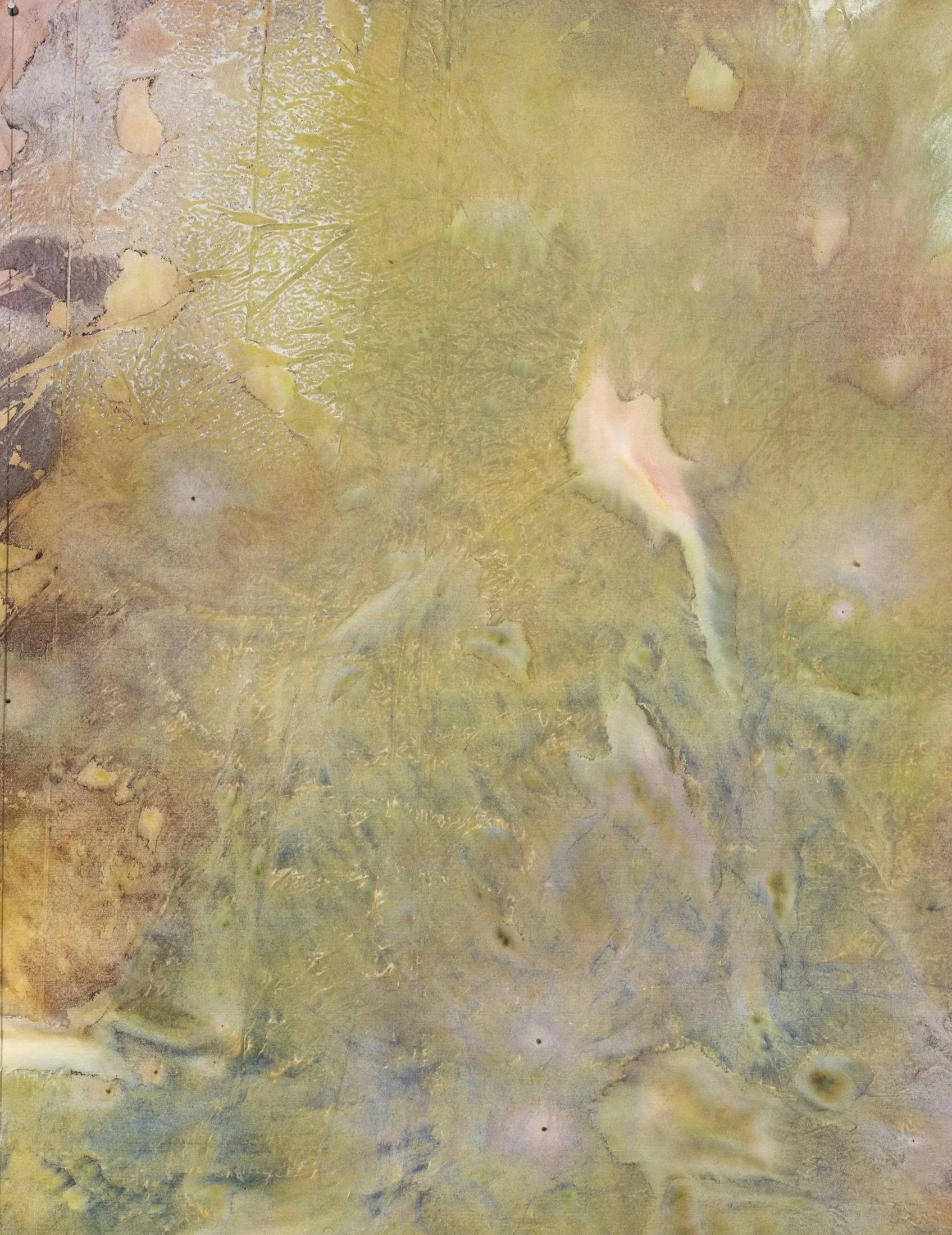
Empire is not forever is a group exhibition that gathers works engaged with the slow unraveling and persistence of empire. Through painting, drawing, sculpture, installation, and textile-based practices, the exhibition considers how the legacies of colonial structures in the Caribbean and its diaspora, deteriorate unevenly, leaving behind residues in land, language, and the body. Resistant to negotiating these truths by way of solely narrative strategies, artists here look to various modes of storytelling. The difference, as Byung-Chul Han suggests in The Crisis of Narration, is that narration serves as an enclosure rather than an invitation to explore. In an age of relentless access to information, narration upholds familiar knowledge and notions, it doesn’t challenge or question. Where narration provides a neatly packaged identity, storytelling initiates possibilities of realms unknown. Though varied in their approaches, the artists within Empire is not forever withhold as much as they share, leaving room for generative speculation on how to leverage what has been left behind toward a useful futurity.
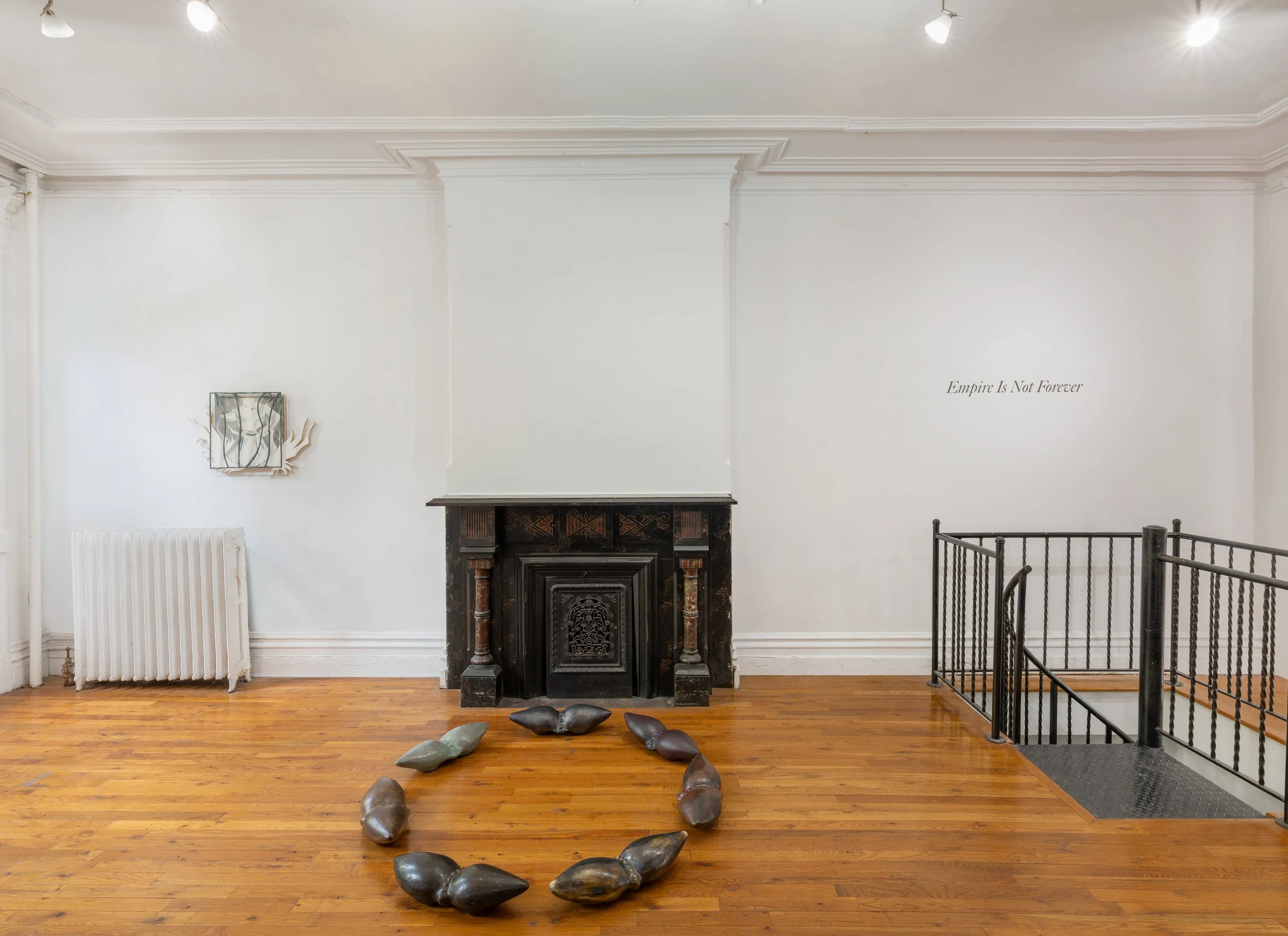
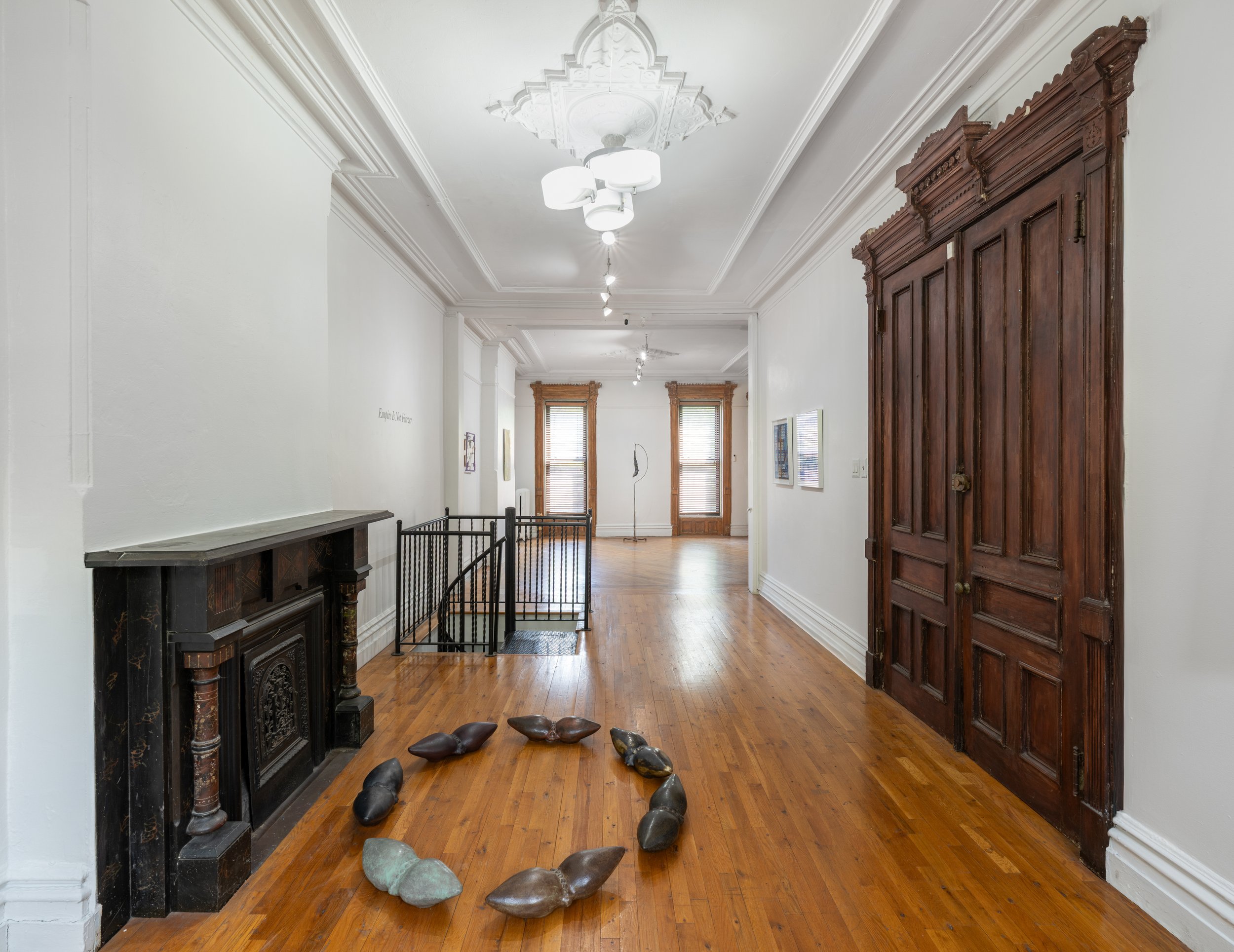
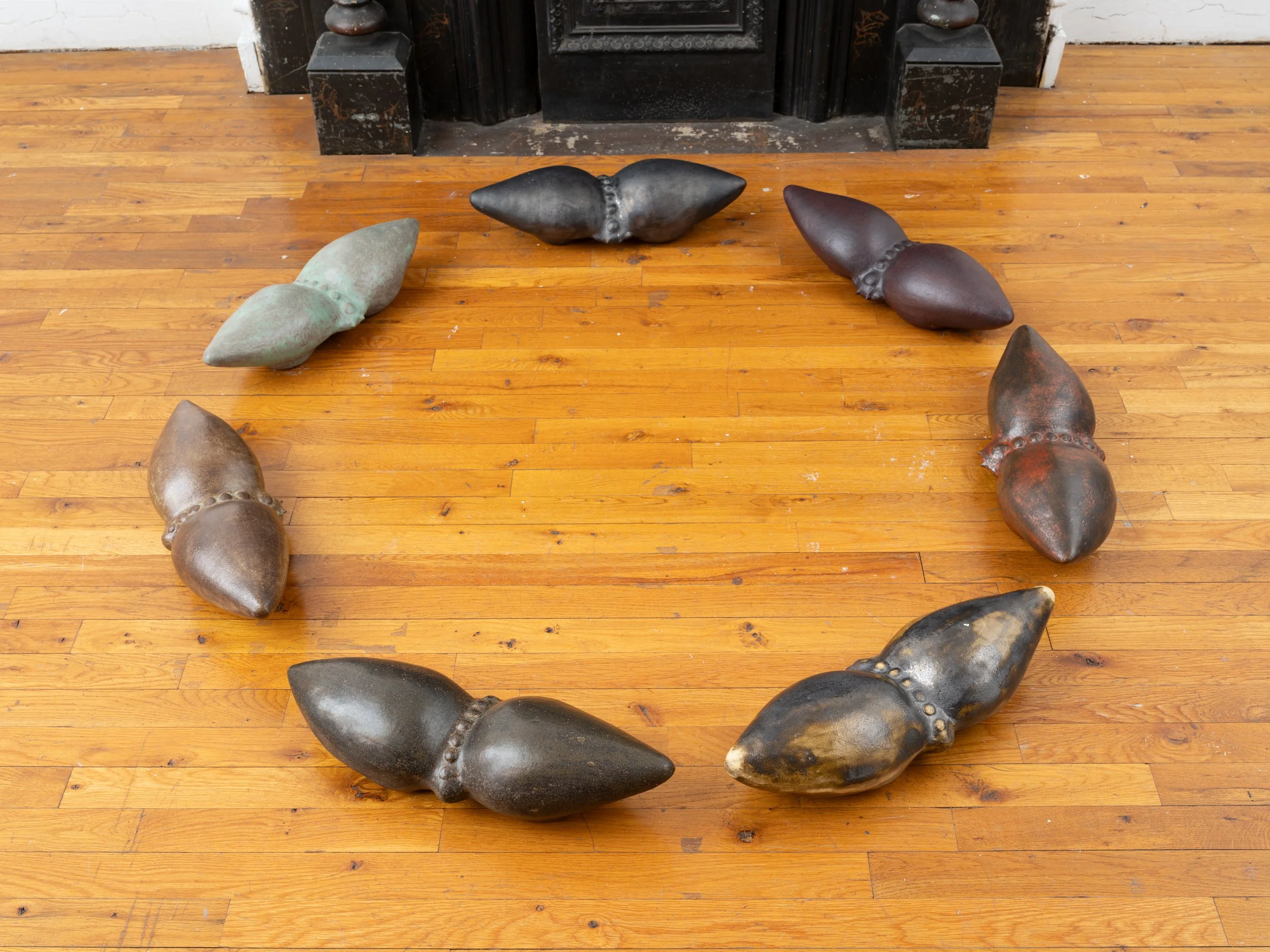
Jill Cohen-nuñez creates tumored, ancestral, and spiritual objects to investigate memory, rituals, syncretic practices, and disease. Through these arduous methods of creating, their work reflects on generational loss of connection to culture and land through migration and assimilation. Looking specifically at the histories and proliferation of western medicine, and in turn the current health care system, untitled (hoof) belongs to a suite of sculptures that take on a talismanic sensibility. Each a site of continued exploration of both truth and myth, they harness a deep relationship to dreams, ancestral methodologies and inherited memory. Similarly, untitled (conduit) looks to the bat as a creature capable of traversing realms, its ceramic form a carrier of care and fracture, inviting the transmuting of hegemonic structures into reimagined systems of healing.
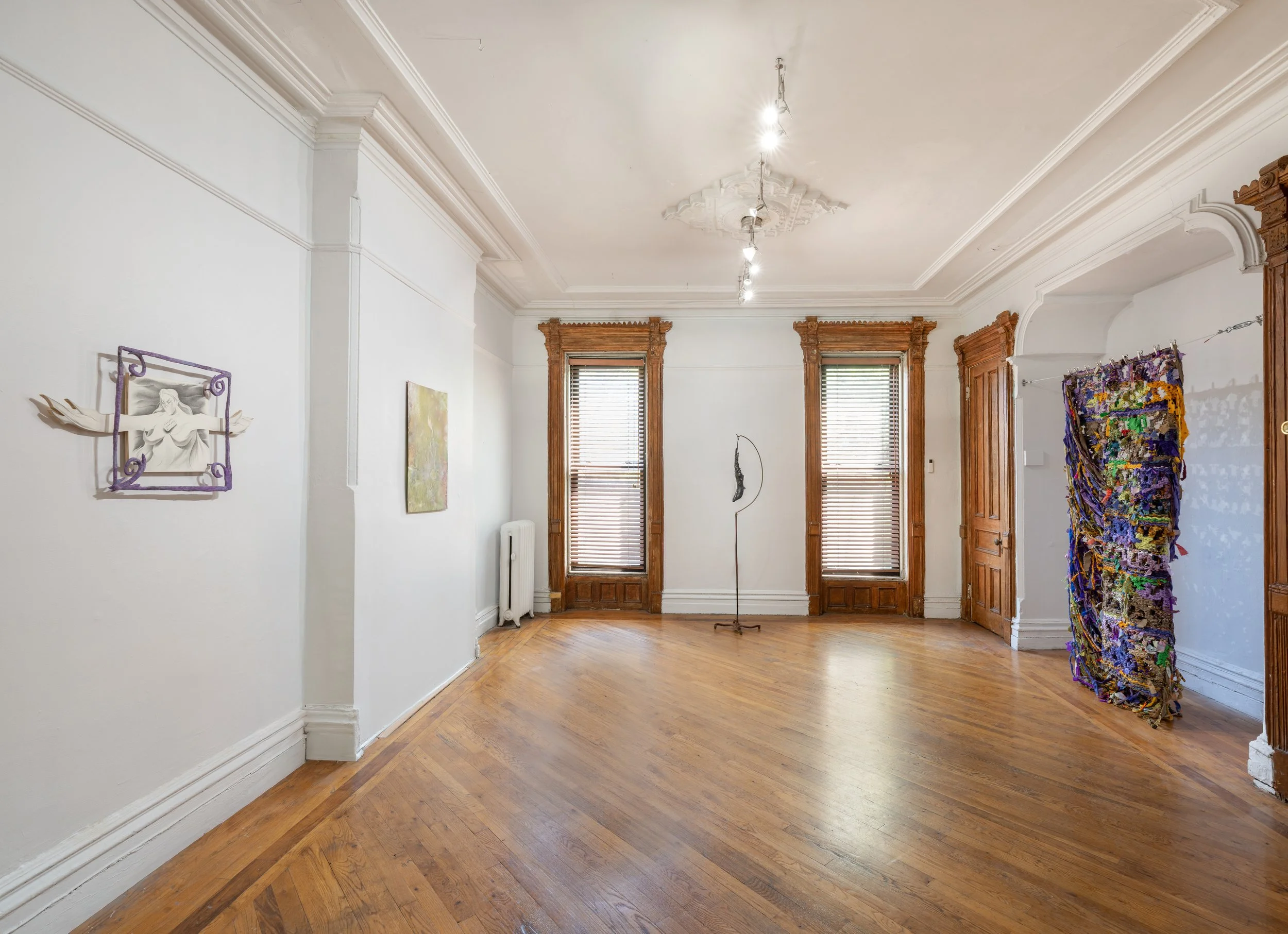
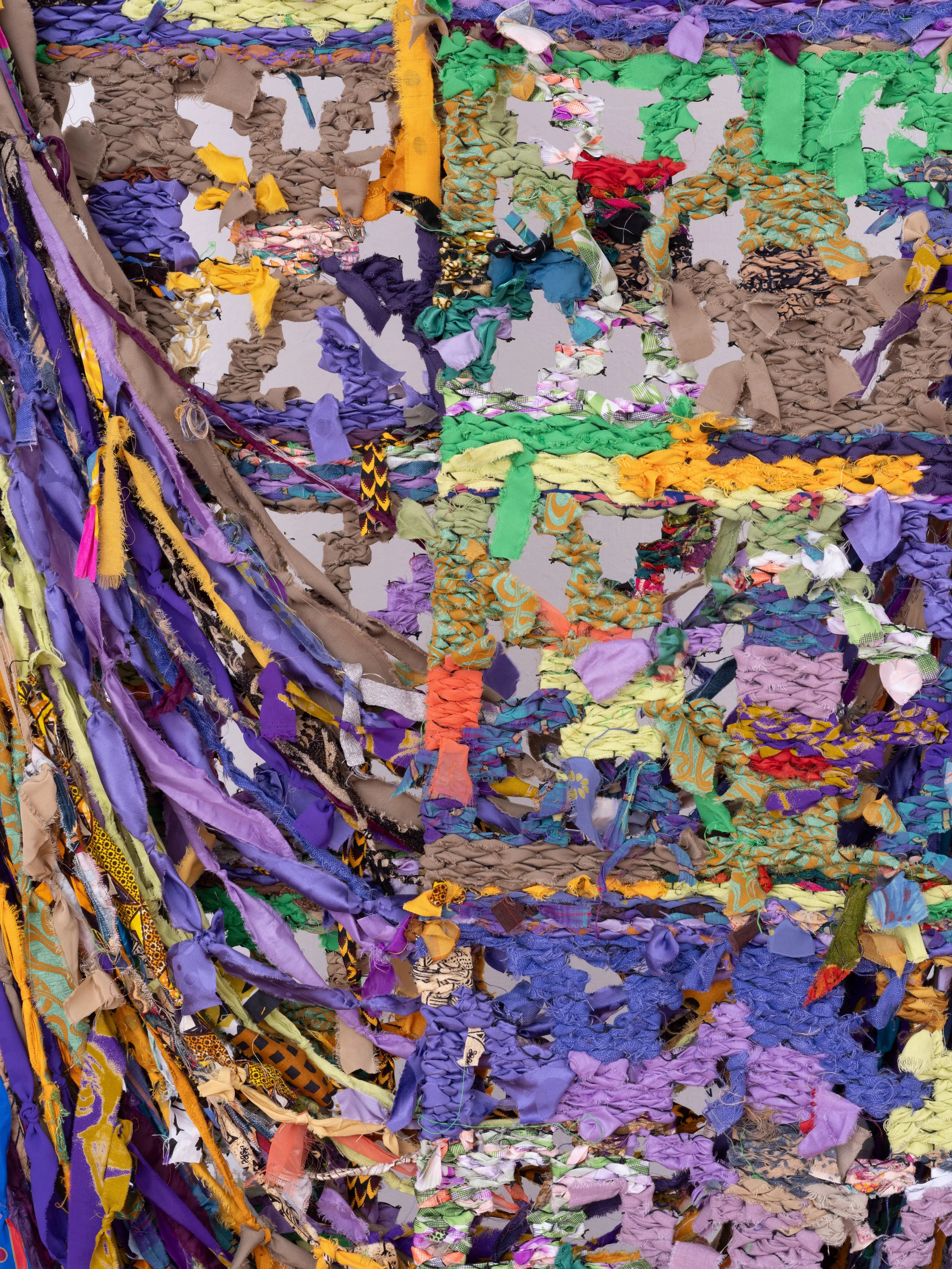
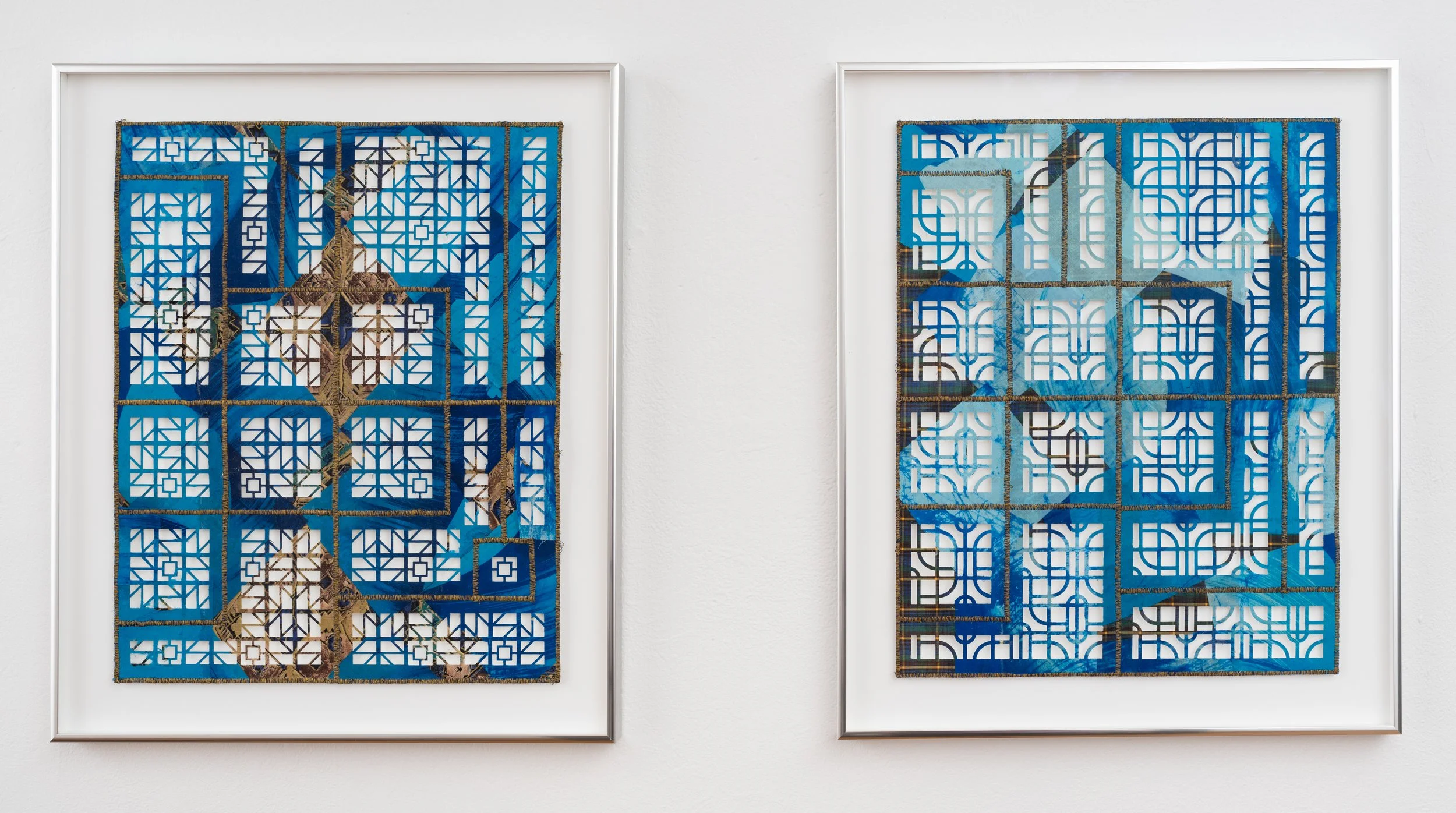
Cyle Warner’s practice explores how place is remembered and how materials reflect shifting landscapes. He works with elements from domestic spaces, the natural environment, and sites of gathering in the Caribbean diaspora, not as relics, but as active forces that shape space. Warner’s work does not reconstruct history; it engages with how it lingers, how it is shared, and how it changes over time. Through woven surfaces, fragmented structures, and layered compositions, these forms hold space not to preserve a fixed past but to acknowledge its fluidity, how sites of gathering, labor, and rest evolve for those who have left and those who remain. In works like Slip Zone, Warner ruminates on displacement – the slip being both a reference to geological phenomena and metaphor for human experience. Bound within the intricately knotted fabric is the notion of two bodies that have already passed through each other, neither returned to where it began, and neither entirely gone.
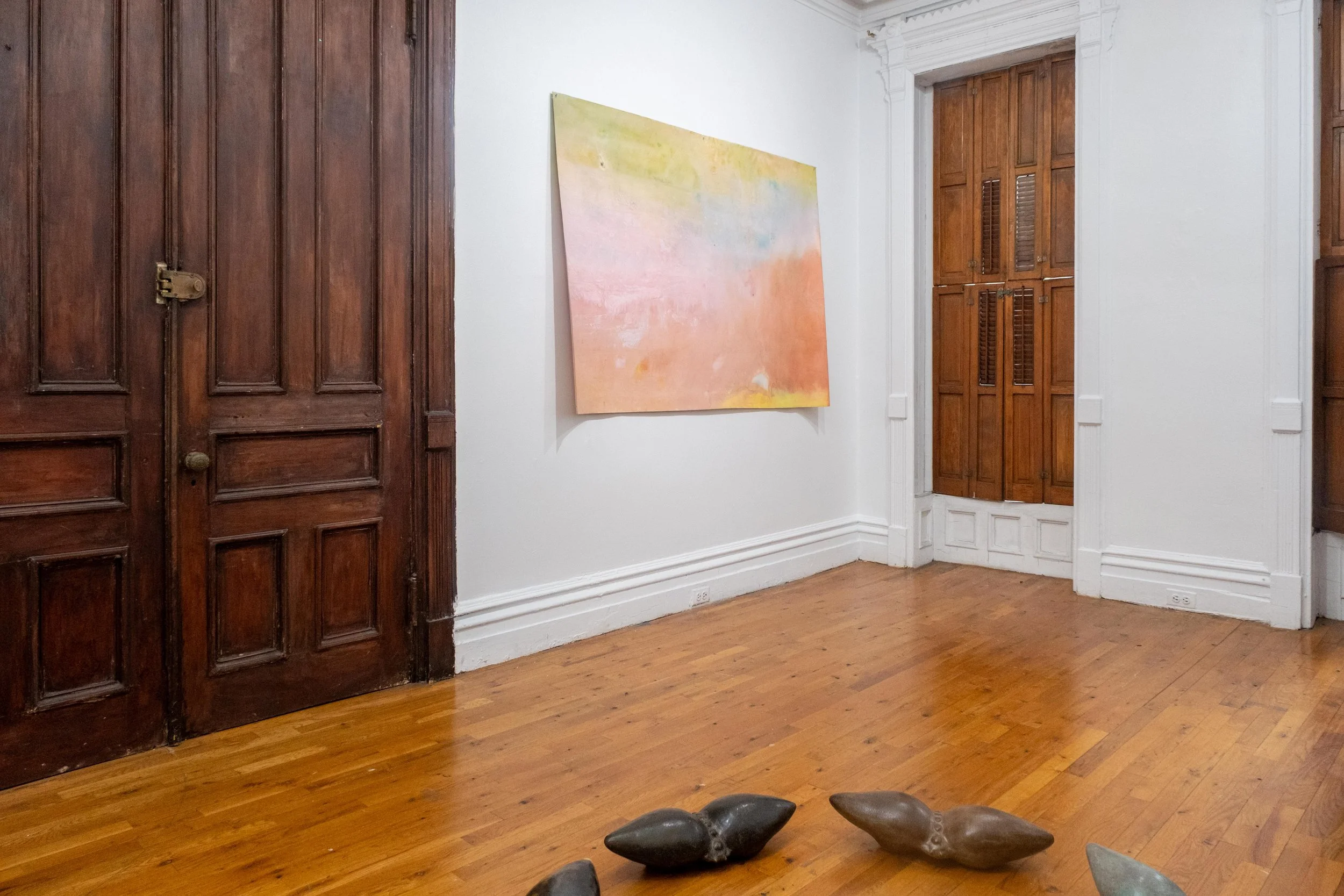
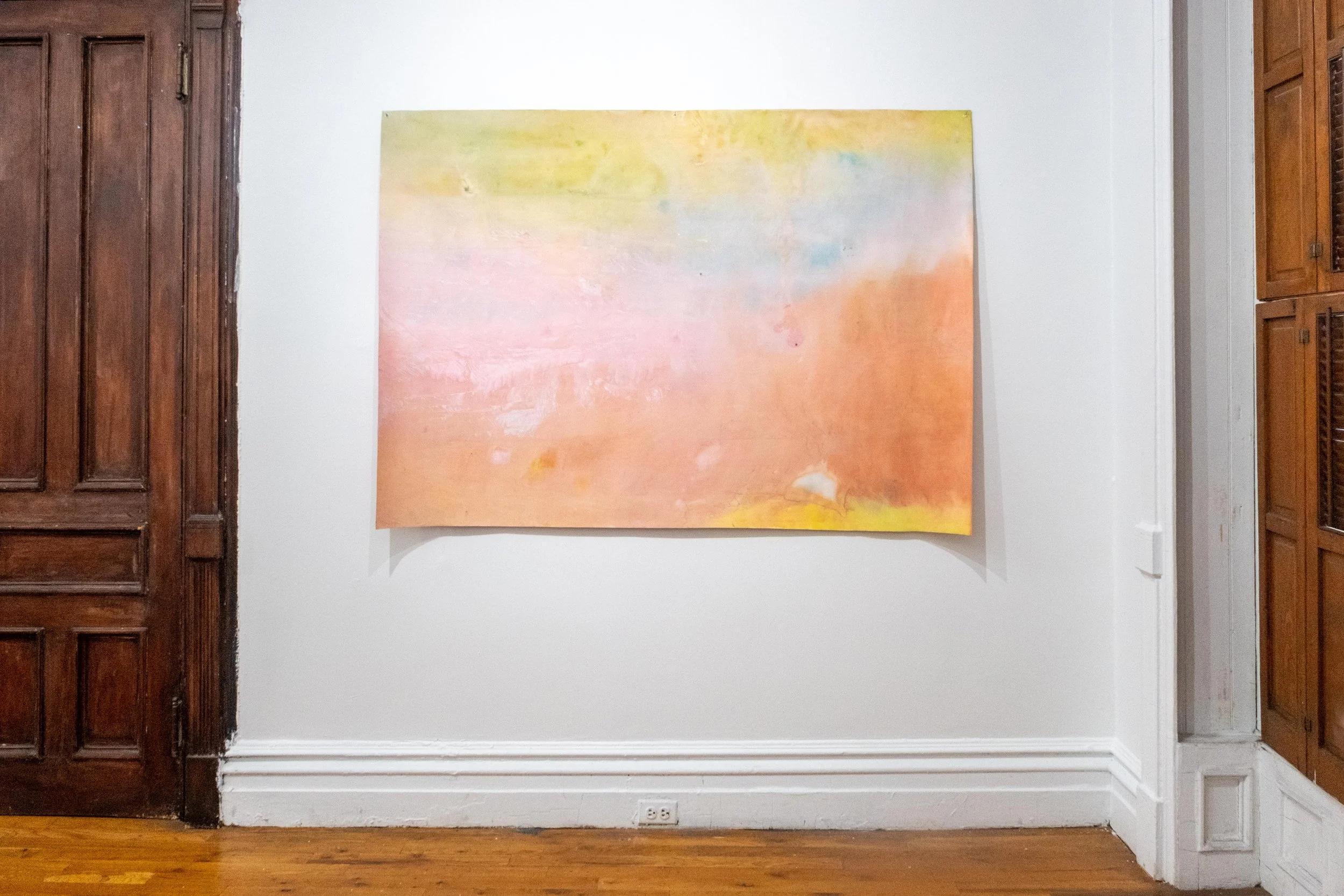
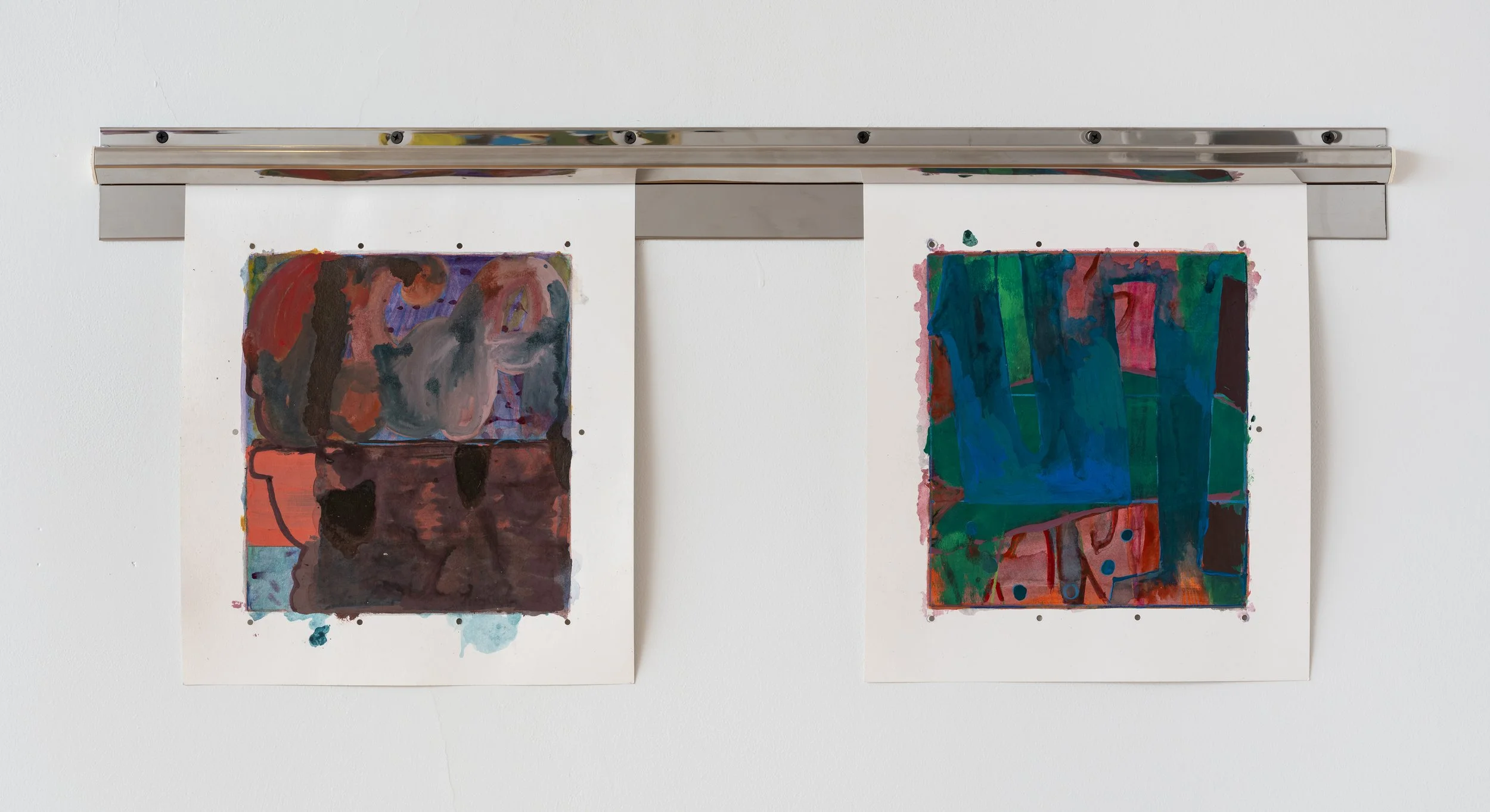
Drawing upon his years of Friday nights cooking in familial kitchens and a nourished upbringing along the bakery and jerk shop-lined cross-streets of Crown Heights, Kemar Keanu Wynter’s abstract works are a generous stew of gesture and pigment. Layers of luscious, gestural strokes draw the viewer into fields of color which frequently operate with coded references to his histories; one, storied and generations-long in the Antilles and another budding and burgeoning in the five boroughs. Through this interplay of motif and materiality, the viewer’s own tethers to comfort, history and home are brought into focus. In a new suite of works on paper exhibited here for the first time, Terrains pushes this a bit further, taking queues from regional language traditions of the Caribbean and creating what Wynter describes as a “visual patois.” The action of distillation, remixing, and enmeshing already inherent to both his culture and his practice manifests here in loose geometric musings that pull from observations of his urban environment.
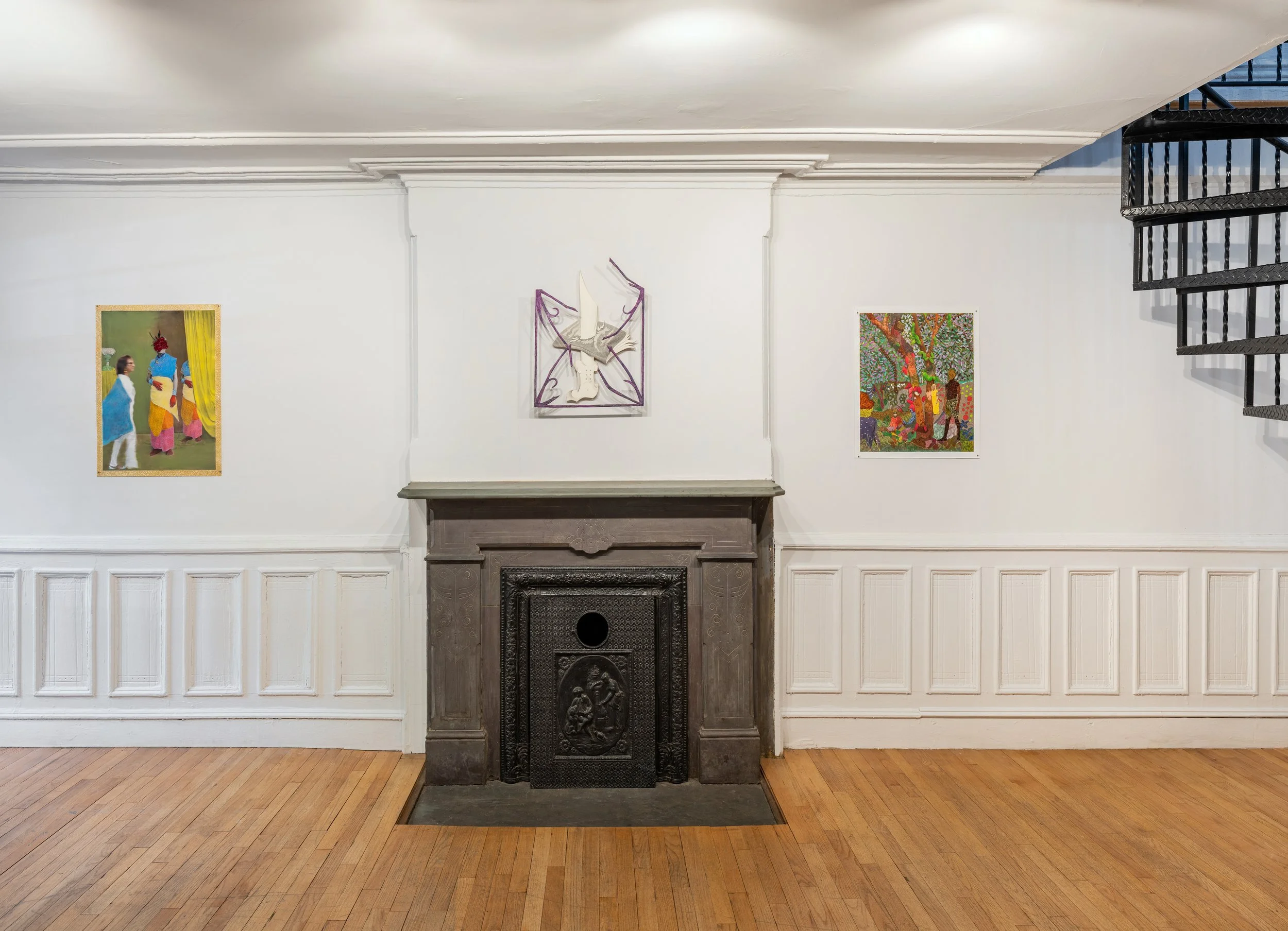
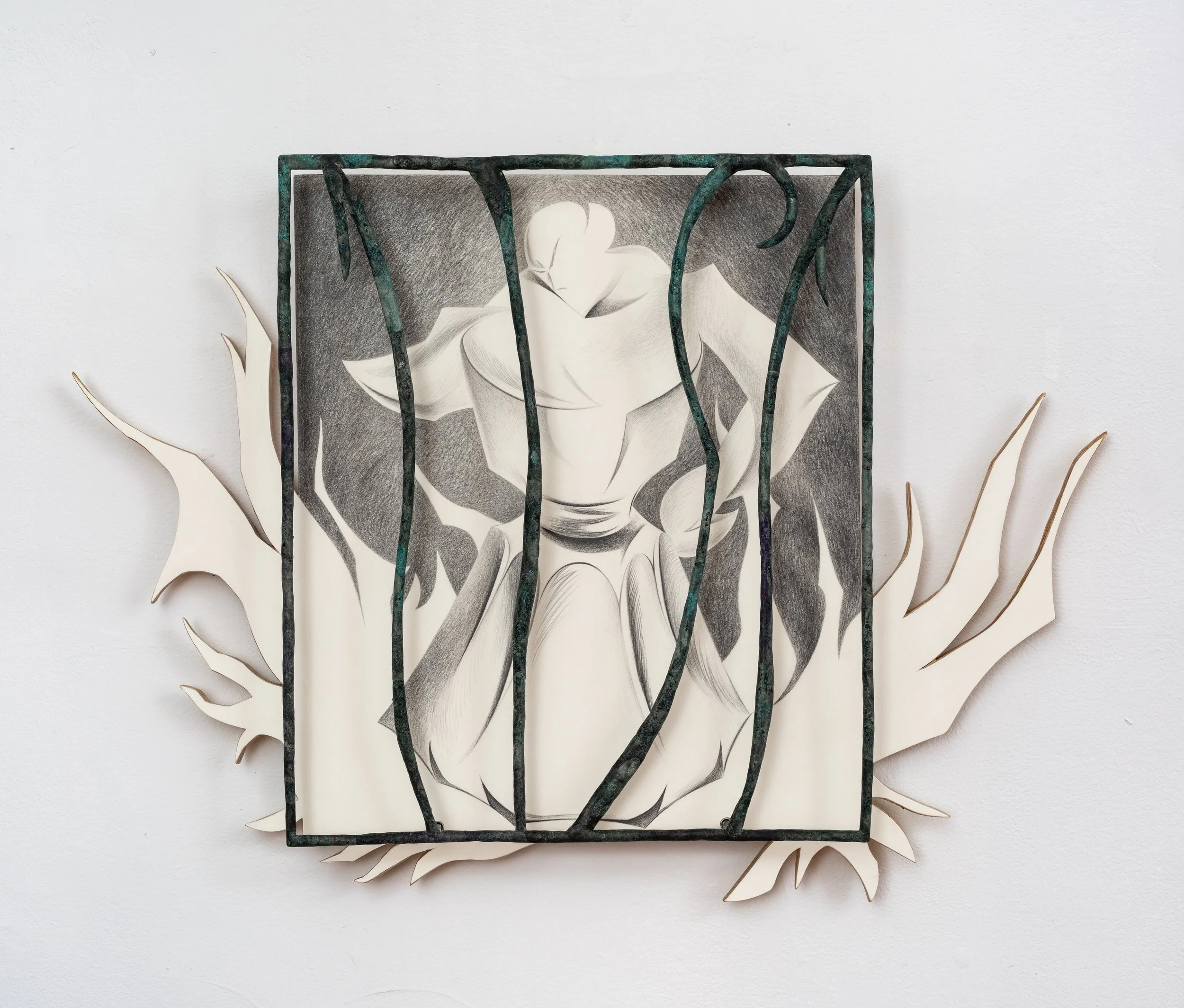
New York–based artist Pedro Troncoso’s work explores colonial erasures of identity, diaspora, and cultural memory. Rooted in his Dominican heritage, Troncoso’s paintings and drawings layer erased narratives into dreamlike spaces where blurred identities confront colonial erasure. His ongoing exploration of figure, iconography and form transcends the boundaries of drawing and painting, implementing architectural and sculptural motifs to further trouble concepts of Caribbean identity. In his latest series Uepons, Troncoso plays with the push and pull of confinement and protection. The figures and objects within the drawings are held within sculptural elements that at times contain and at others interrupt, leaving the image in a constant state of tension. These forms resemble that of architectural iron works or cages, both immediately recognizable but ambiguous in their function. The work revels in that ambiguity rather than resolving it, the resulting image both fragile and crude, precise and unstable.In the fraught space between ancestry and autonomy, Tronocoso asks: how much of our heritage are we willing to negotiate or rebuild?
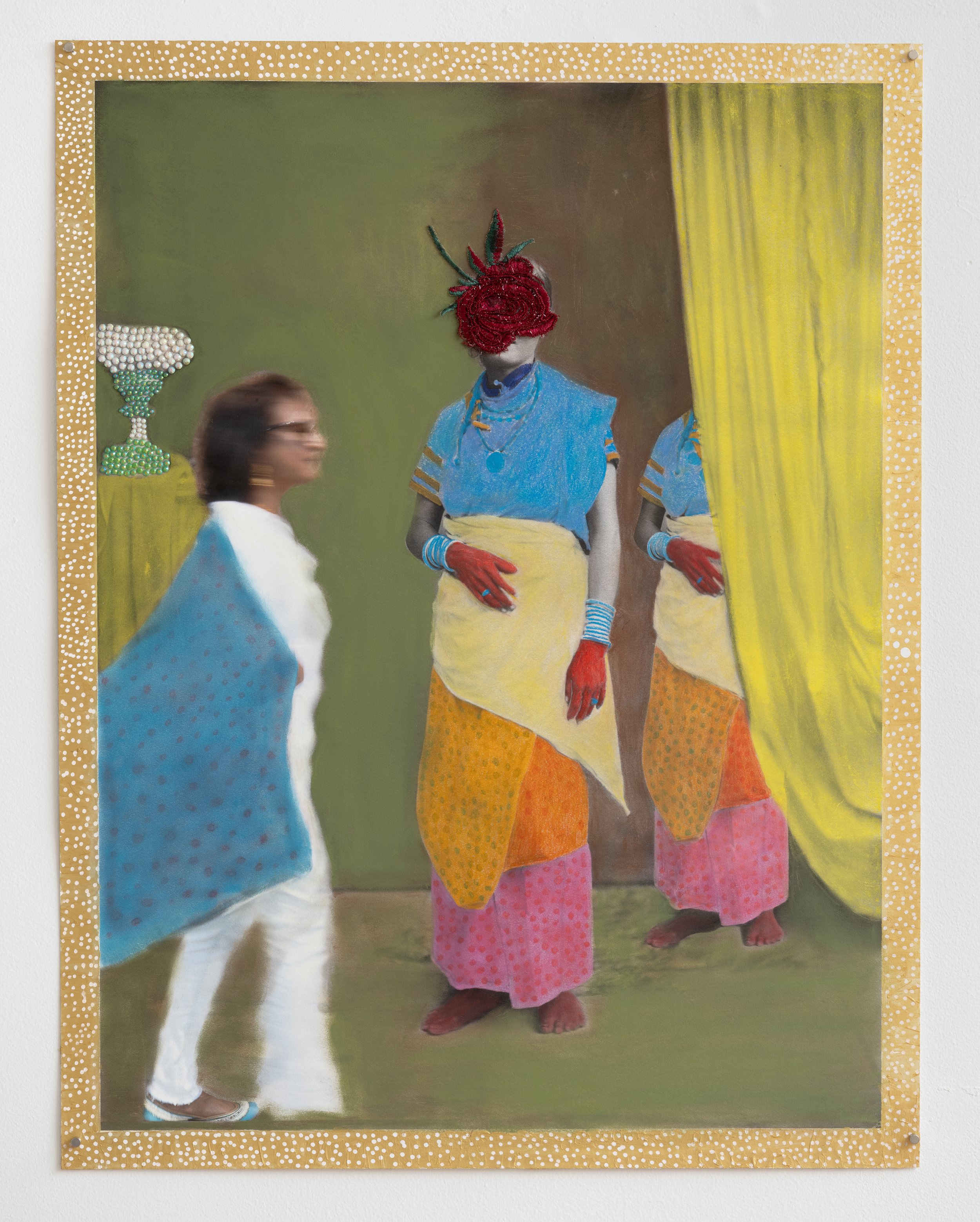
Born in Trinidad and Tobago, Renluka Maharaj’s practice charts new possibilities for the visual and cultural identities of Indo-Caribbean women of the 19th century and beyond. Sourced photographs, textiles, and a robust research practice serve as a springboard for mixed media compositions that investigate how history, migration, religion, and gender inform identity. The artist’s family lineage can be traced back to India during the 19th century when forced indentured servitude replaced African slave labor on sugarcane plantations in the Caribbean. Maharaj’s layered compositions consist of images of Indo-Caribbean women featured on postcards sold throughout Europe to promote tourism during the 19th century. In her newest series, works like Double Take collapse time within its figures - drawn now from past and present - generating dialogue around the flattening of prevailing narratives about Caribbean life in the aftermath of slavery. Through these works, Maharaj presents opportunities for a reclamation and reframing of histories within the diaspora.